
Standard vs. Advanced: Exploring the Best Battery Pack Assembly Solutions from China by Pknergy


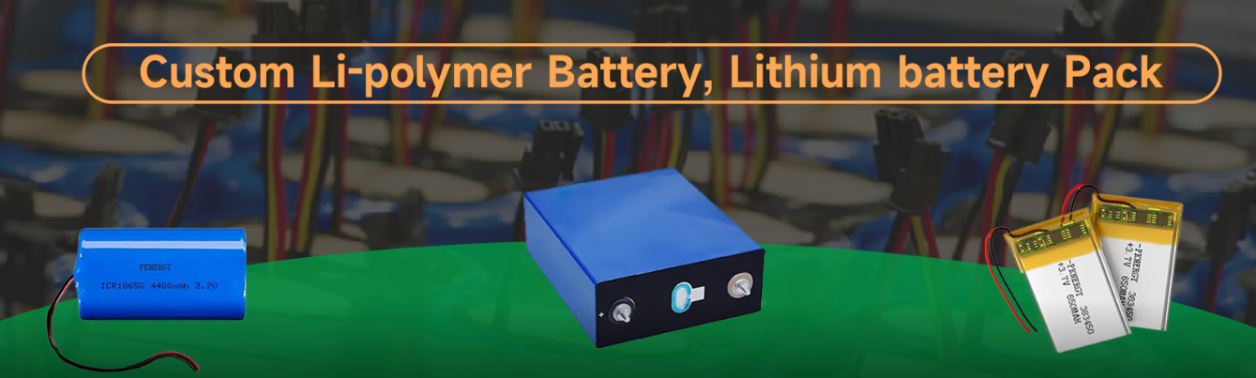
(YorkPedia Editorial):- Shenzhen, Guangdong Jul 5, 2026 (Issuewire.com) – Industrial and consumer electronic applications increasingly demand precise, power-dense energy storage configurations capable of sustaining stable voltage outputs over prolonged lifecycles under volatile grid conditions. To navigate this evolving landscape, international procurement managers and technical engineering teams routinely look to Chinese manufacturing for scalable production. Shenzhen Pknergy Energy Co., Ltd (Pknergy) provides an illustrative framework of how advanced engineering capabilities effectively balance baseline factory efficiency with highly specialized, application-specific customization. By deeply analyzing these distinct project tiers, technical personnel can better identify the best battery pack assembly solutions from China tailored to specific environmental, regulatory, and commercial constraints.
Clarifying the Operational Tiers: From Baseline to Specialized Architecture
Engineering a reliable energy storage asset requires distinguishing between universal commodity products and specialized hardware architectures. Within modern power systems design, standard configurations rely on established cell architectures, such as the 18650 or 21700 cylindrical form factors. These configurations target applications where financial metrics, production speed, and predictable discharge parameters take precedence over extreme environmental protection.
Conversely, advanced solutions operate within a different paradigm. These customized designs are built for hazardous environments, mission-critical medical deployment, and outdoor telecommunications infrastructure. Pknergy focuses its core engineering on this distinction, providing a structured gradient of options that scales seamlessly from initial minimum viable product prototyping to high-volume automated line assembly. This approach helps client teams avoid over-engineering simpler consumer devices while ensuring critical industrial assets receive appropriate protective features.
Standard Battery Pack Configurations: The Foundation of Scale and Efficiency
For applications operating within controlled environments–such as internet-of-things sensors, mobile point-of-sale terminals, and standard handheld consumer electronics–standardized battery architectures provide high reliability and commercial viability. A common example is the INR18650 cell platform, ranging from 2600 mAh to 3500 mAh capacities at a nominal 3.7 volts. These cells provide a reliable foundation for battery pack assembly solutions that require low self-discharge rates and long operational life cycles.
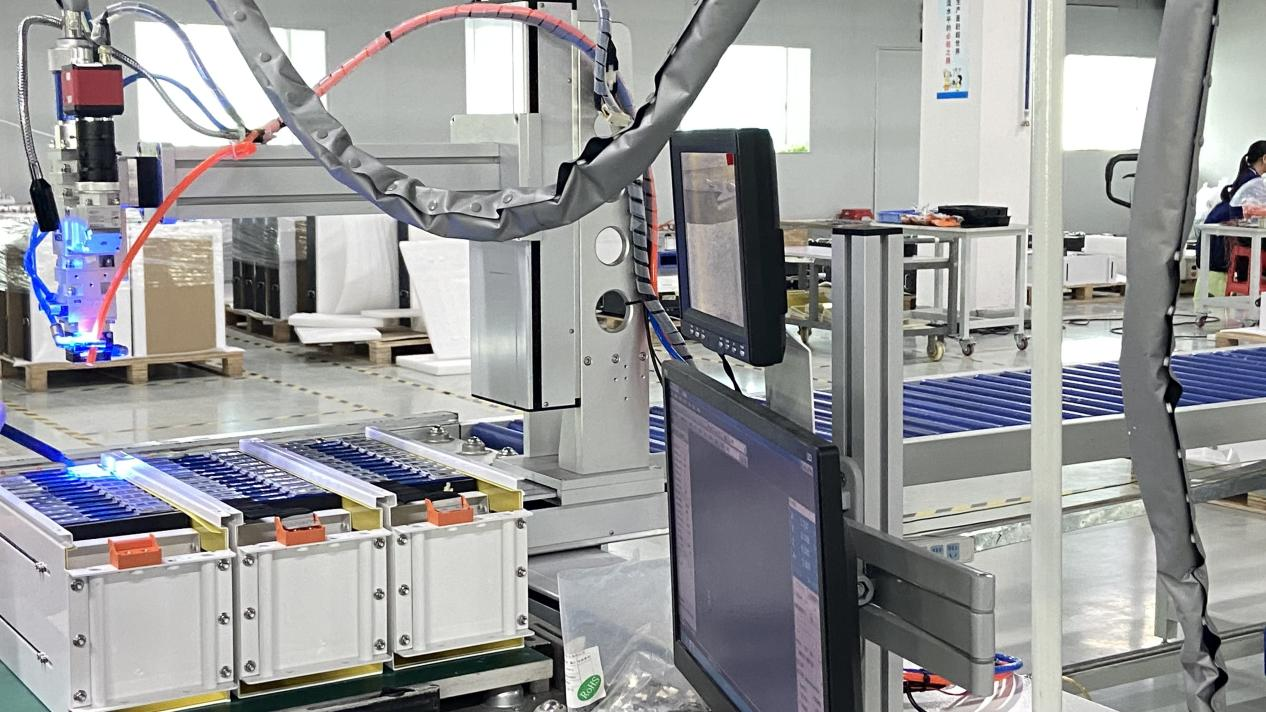
The commercial advantage of these platforms relies heavily on automated production systems. Pknergy operates more than 20 advanced, dedicated production lines to maintain manufacturing stability across large batches. These standardized cell systems deliver energy densities up to 250 Wh/kg alongside 10C discharge rates. Automated cell sorting systems match cells tightly, keeping internal resistance variations within a tight 99.9% consistency threshold. This preventative manufacturing step ensures uniform cell degradation over time, giving global supply chain teams reliable off-the-shelf options and short lead times.
Advanced Engineering: Survival in Demanding Environments
When projects move beyond climate-controlled environments, standard components face clear operational limits. Demanding environments–such as automotive tire pressure monitoring systems, remote off-grid solar equipment, and industrial tracking systems–expose power units to severe physical stress. For instance, automotive tire pressure monitoring sensors require small energy cells that can operate reliably between -40°C and +125°C for up to eight years under high centripetal force.
To meet these requirements, Shenzhen Pknergy Energy Co., Ltd uses specialized pouch cell geometries and semi-solid-state lithium chemistry. This chemistry provides higher thermal stability than standard liquid electrolytes. These complex multi-cell assemblies incorporate custom smart battery management systems that monitor cell voltages, balance states of charge, and provide active thermal cutoff protection. Passing strict regulatory testing, including UN38.3 transport safety and IEC62133 international compliance, allows these advanced battery pack assembly options to lower overall compliance risks and reduce field-failure expenses by up to 15% compared to complex imported alternatives.
Furthermore, integrating custom battery management electronics extends pack life expectancy to over 2,000 cycles at an 80% depth of discharge. This engineering approach directly addresses common field failures related to thermal stress, high vibration, and erratic current draws.
Strategic Decision Framework: Matching Product Needs to Technical Tiers
Selecting the optimal battery integration path depends on the operational environment rather than choosing the most complex technology available. Engineering teams and procurement officers can evaluate options using a direct decision matrix focused on environmental factors, regulatory requirements, and project volume.
Standard configurations are highly effective when the target device features a long commercial lifecycle, uniform seasonal demand, and a temperate operating environment. Choosing a standard platform allows development teams to optimize individual unit costs by 20% to 30% while reducing lead times. This makes it an ideal fit for consumer electronics, office automation, and basic smart-home hardware.
On the other hand, advanced configurations become necessary when a product involves life-support medical certification, outdoor deployment in extreme climates, or strict UL and CE safety tracking. Although customized multi-layer protective packaging and smart battery management systems increase the initial unit price, this investment protects against long-term liability, expensive product recalls, and high warranty costs.
The Structural Value of an Integrated, Scalable Supply Chain
A key factor in sourcing energy storage components from China is manufacturing adaptability. Pknergy addresses this by maintaining both high-volume standard lines and specialized custom assembly sections within a single manufacturing facility. This parallel infrastructure gives product development teams the flexibility to transition smoothly from early prototyping directly into mass production.
This adaptive manufacturing model provides young brands with the initial engineering agility required for small proof-of-concept batches, while giving established industrial enterprises the scale needed for large production runs. By combining automated standard production with precise custom engineering, modern battery pack assembly providers help global enterprises bring products to market efficiently without compromising long-term reliability.
For more technical information regarding cell specifications and configuration options, please visit the enterprise portal at https://www.pknergy.com/.
Media Contact
Shenzhen Pknergy Energy Co., Ltd
+86 13902461252
902, Tower B, Hongrongyuan North Station Center, North Station Community, Minzhi Street, Longhua District, Shenzhen, China
This article was originally published by IssueWire. Read the original article here.
